Water & Wastewater Treatment Turnkey Solutions
Overview
Zero Liquid Discharge (ZLD)
Recover and reuse your water, and send no liquid waste out of your site
Zero Liquid Discharge (ZLD) means that all the water in your wastewater is recovered and reused, and no liquid leaves your plant. What remains is a small amount of solid salt and sludge, which is disposed of or recovered. ZLD helps industries cut freshwater use and meet strict discharge rules.
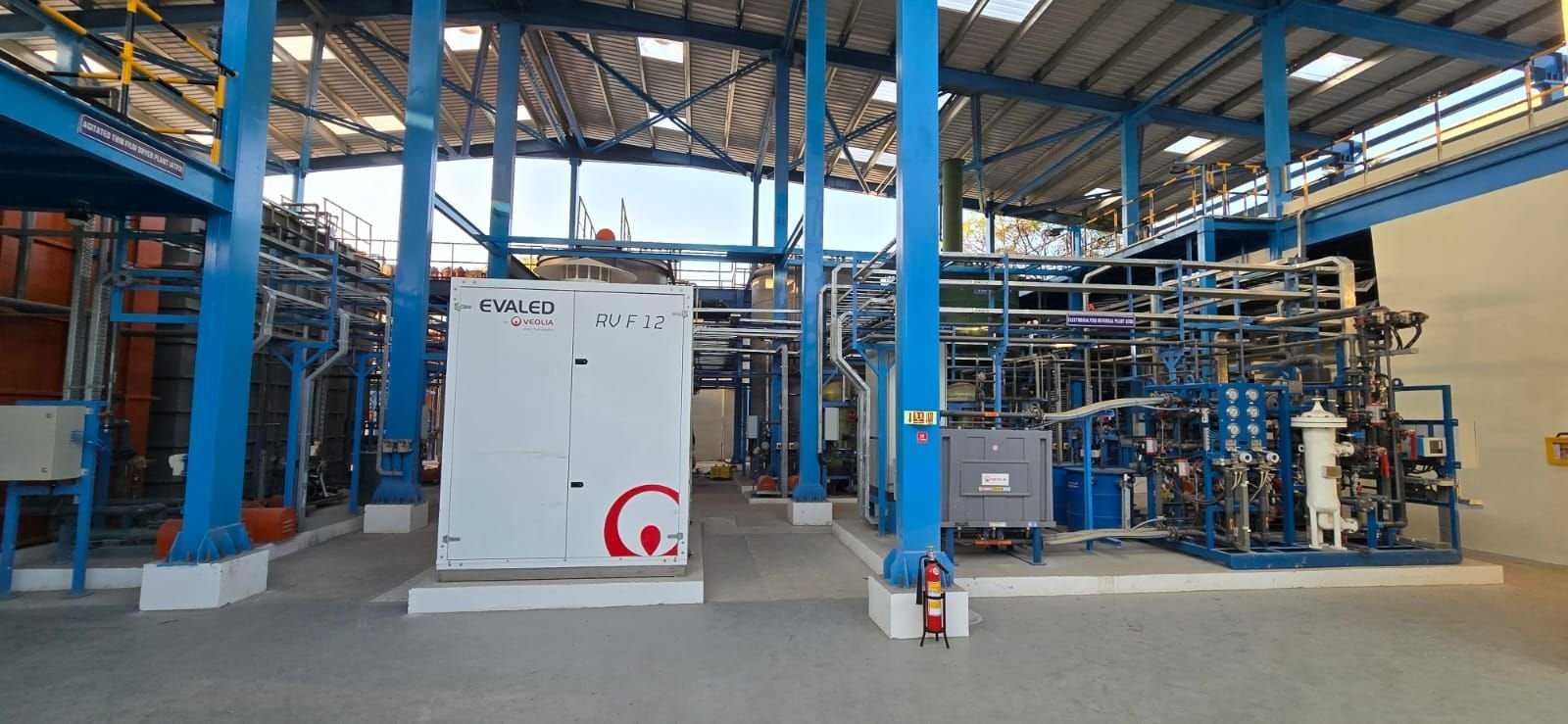
Apex Ecotech designs and builds complete ZLD systems for industrial and municipal wastewater.
Process
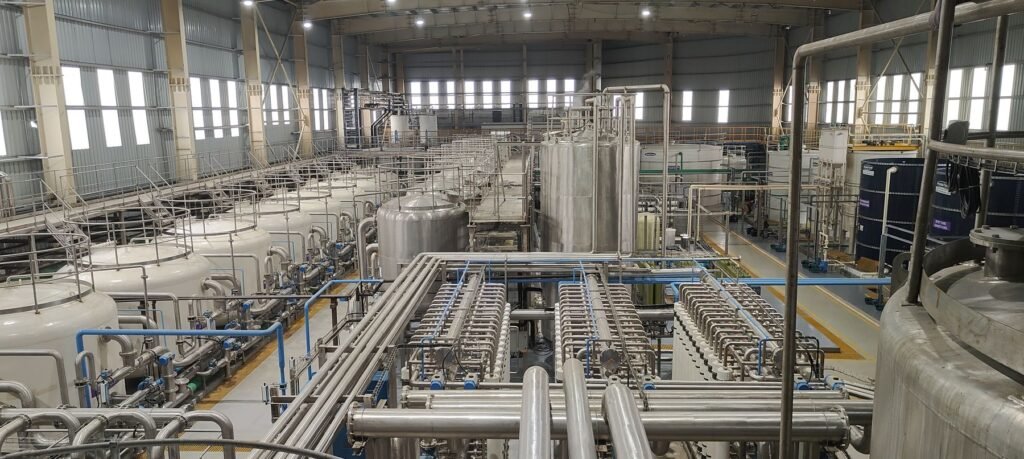
How a ZLD plant works
01
Treat the wastewater
In an effluent treatment plant, so it is ready for membranes.
02
Recycling stage
Membranes recover most of the water as clean water for reuse, and leave behind a smaller, saltier stream called reject or brine.
03
Evaporation stage
Evaporators boil the brine, recover the remaining water, and leave a thick salt slurry.
04
Salt handling
The slurry is separated and dried into solid salt.
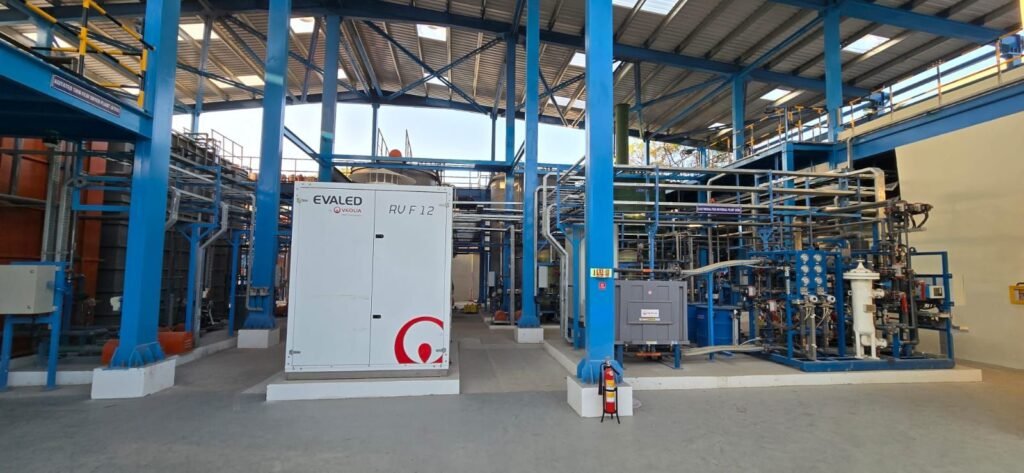

Recycling stage: membrane technologies
| Technology | What it does | Use it when |
|---|---|---|
| Submerged ultrafiltration (SUF) | Membranes sit directly in the tank for compact filtration | Space is limited |
| Ultrafiltration (UF) | Removes suspended solids, bacteria and viruses, and protects the RO membranes | Feed to RO must be very clean |
| Membrane bioreactor (MBR) | Biological treatment and membrane filtration in one step | You want reuse-quality water from sewage or industrial effluent in a compact plant |
| Reverse osmosis (RO) | Removes dissolved salts, heavy metals and other contaminants | Recovering water from treated effluent |
| Nanofiltration (NF) | Partial desalination and hardness removal | Full RO is not needed |
| Sacrificial reverse osmosis (SRO) | An RO stage designed for streams that foul membranes quickly | Feed water is difficult and fouls standard RO |
| Electrodialysis reversal (EDR) | Removes salts using electricity, with less scaling | Very salty water that would scale RO membranes |
| Disc tube reverse osmosis (DTRO) | RO built for high-salt, difficult streams | Landfill leachate and other high-TDS wastewater |
| Forward osmosis (FO) | Draws water through a membrane using a concentrated solution | Very difficult streams where other membranes struggle |
Together these systems treat high-TDS (high dissolved salt) wastewater, landfill leachate and brine, and polish industrial effluent for reuse.
Evaporation stage: the final step to zero liquid discharge
Even after membranes, a small salty stream remains. Evaporators remove the last of the water so nothing has to be discharged.
| Equipment | What it does |
|---|---|
| Multiple-effect evaporator (MEE) | Boils the brine in several stages, reusing the heat of each stage in the next |
| Mechanical vapour recompression (MVR) | Compresses the vapour so its heat can be reused, which lowers energy use |
| Low-temperature evaporator (LTE) | Evaporates at lower temperature, using low-grade heat |
| Packaged skid-mounted MVR | A ready-built MVR unit for smaller flows and faster installation |
| Salt concentrator | Concentrates the brine further before drying |
| Pusher centrifuge | Separates salt crystals from the remaining liquid |
| Agitated thin-film dryer (ATFD) | Dries the final slurry into solid salt |
The condensed water from the evaporators goes back into your process, so it is reused instead of discharged.
Why Choose Us
Why Apex Ecotech for ZLD
Complete scope: treatment, recycling, evaporation and solid handling from one team.
Customised to your wastewater: each design follows your water quality and recovery goal.
Experience: Apex Ecotech commissioned its first ZLD plant in 2012 and has delivered ZLD plants in pharma and automobile industries.
Lower freshwater and energy use through water reuse and energy-saving evaporator options such as MVR.
Full lifecycle support: execution, operation and maintenance.
Project Showcase
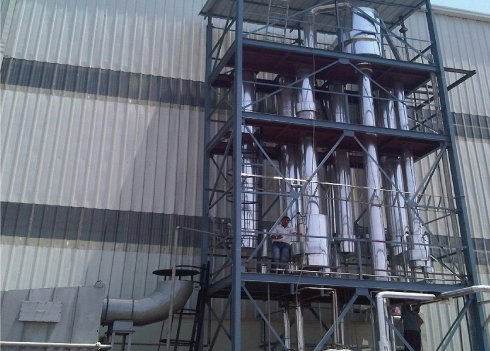
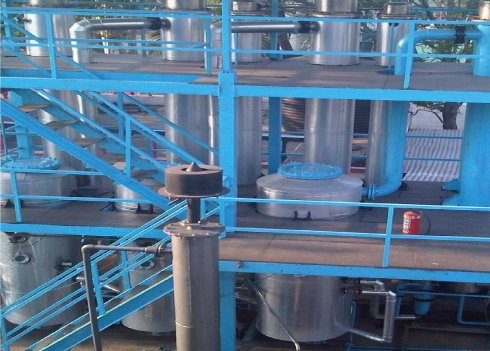
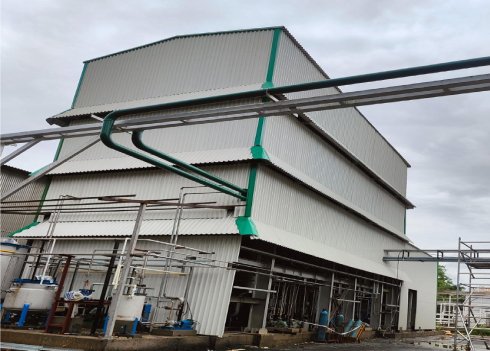
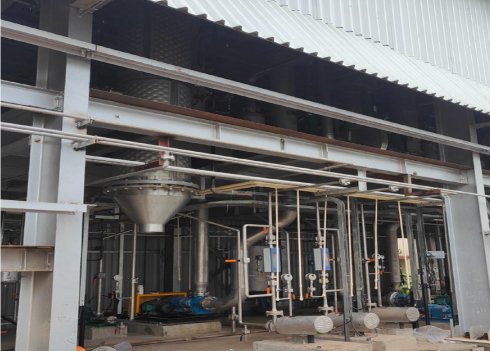
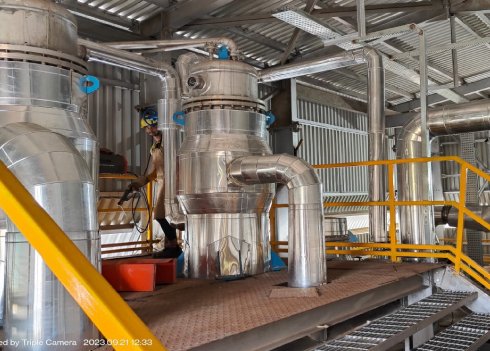
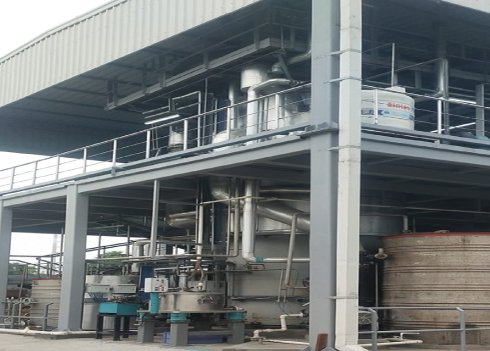
Our Zero Liquid Discharge Projects
Planning a Zero Liquid Discharge project?
Get a feasibility study and techno-commercial proposal from our engineering team.