Water & Wastewater Treatment Turnkey Solutions
Overview
Effluent Treatment Plant (ETP)
Industrial wastewater treatment that meets pollution-control norms and enables reuse
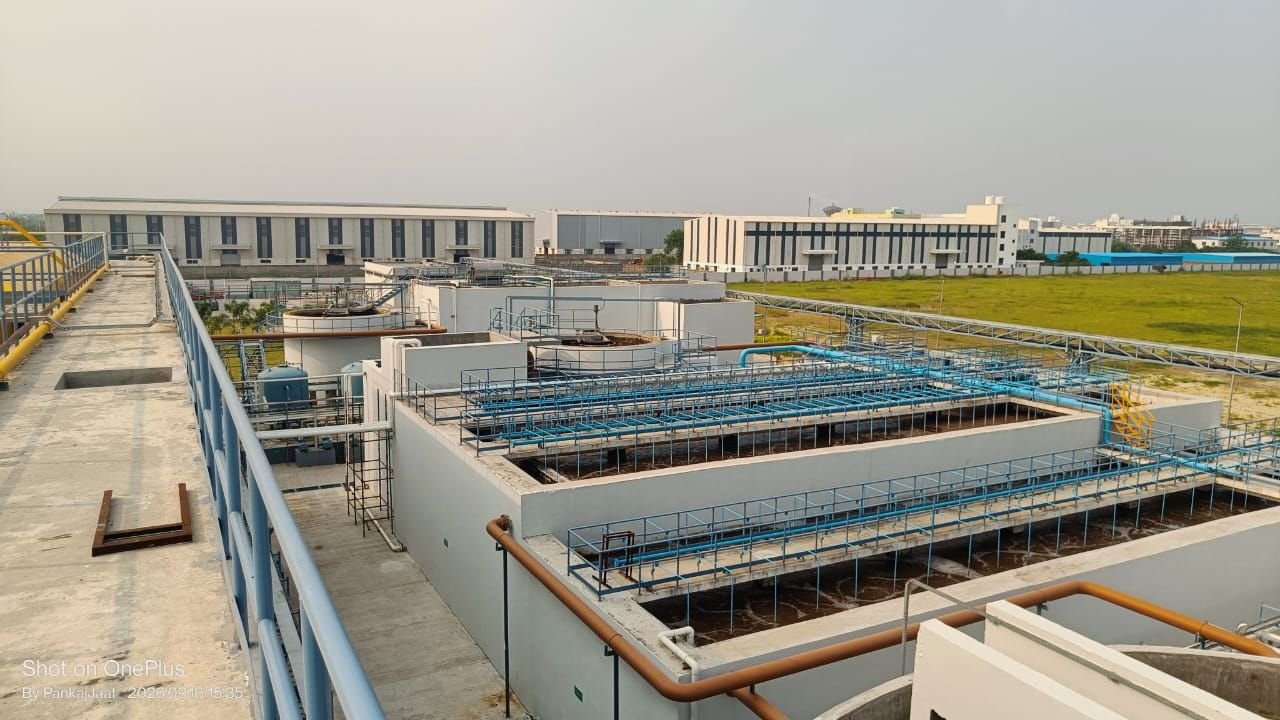
Apex Ecotech designs and builds effluent treatment plants for factories that must clean their wastewater before discharge or reuse. Our plants are built to meet the norms of the Central and State Pollution Control Boards (CPCB and SPCB), and help clients recover treated water for reuse. We serve pharmaceuticals, textiles, chemicals, food processing and general manufacturing.
Process
How an ETP works
01
Primary treatment
Physical and chemical steps remove solids, oil, grease and metals.
02
Biological treatment
Bacteria digest the dissolved organic pollution.
03
Polishing and reuse
Membranes and other steps bring the water to reuse quality.
04
Sludge handling
The solids removed along the way are thickened, dewatered and disposed of safely.
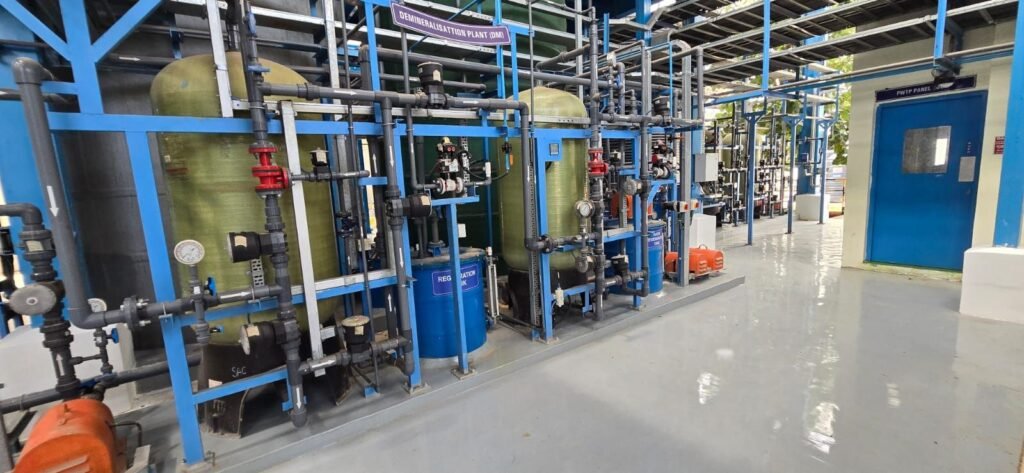
The mix of steps depends on what your factory discharges.

Treatment Stages
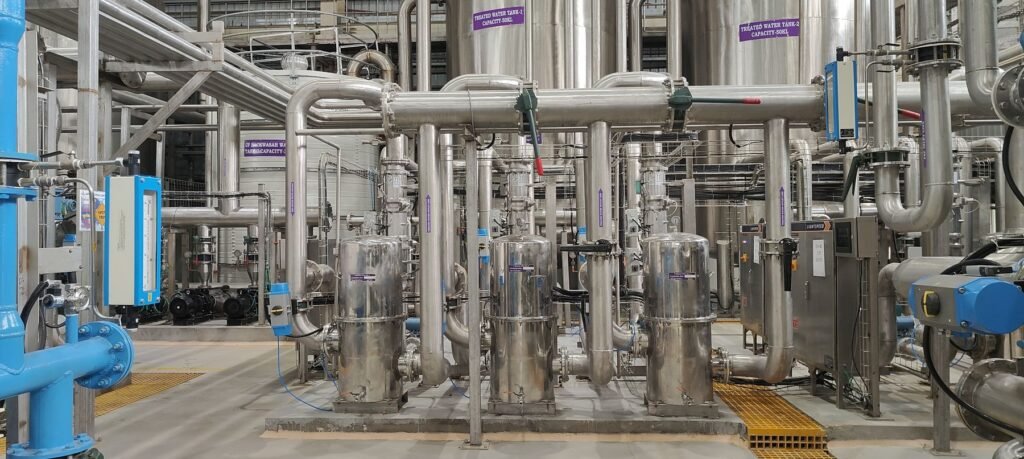
What our ETPs include
Primary treatment (physico-chemical)
Removes suspended solids, oil, grease, heavy metals and toxic pollutants using chemicals and physical separation.
- Coagulation and flocculation: chemicals clump fine particles so they can be removed
- pH adjustment and neutralisation
- Chemical precipitation: turns dissolved metals into solids that can be filtered out
- Oil and grease removal systems
- Dissolved air flotation (DAF): tiny air bubbles lift oil and fine solids to the surface
Benefits: first-stage cleanup of industrial effluent, lower COD (chemical oxygen demand), BOD (biochemical oxygen demand) and TSS (total suspended solids), and a better feed for the next stages.
Electro-chemical treatment
Uses electric current to remove pollutants that are hard to break down biologically.
- Electrocoagulation (EC)
- Electroflotation
- Electrooxidation
Good for: heavy metals, dye and colour-laden wastewater, and toxic industrial contaminants. Benefits: lower chemical use, a compact system and high treatment efficiency.
Biological treatment
Bacteria break down the organic pollution in wastewater.
- Activated sludge process (ASP)
- MBBR (Moving Bed Biofilm Reactor): bacteria grow on small floating carriers, so the tank holds more treating capacity in less space
- Extended aeration
- MBR (Membrane Bioreactor): combines biological treatment with a membrane filter for very clear treated water
Benefits: high removal of BOD and COD, stable performance, and suitability for a wide range of industries.
Anoxic and anaerobic treatment
For nutrient removal and high-strength wastewater.
- Anoxic treatment: removes nitrogen (denitrification)
- Anaerobic filters: treat wastewater with a high organic load
- UASBR (Upflow Anaerobic Sludge Blanket Reactor): treats strong organic waste without air and produces biogas
- CSTR (Continuous Stirred Tank Reactor): a mixed tank for anaerobic treatment
Sludge management and dewatering
Treatment leaves a sludge that must be reduced and disposed of safely.
- Sludge thickening
- Filter presses
- Centrifuge dewatering
- Screw presses
- Sludge drying beds
Benefits: less sludge volume, lower disposal cost and safe handling of waste.
Why Choose Us
Why Apex Ecotech for ETP
Designed for your effluent: each plant is customised to your wastewater and your discharge norms.
Compliance: built to CPCB and SPCB norms.
Turnkey delivery: design, construction, commissioning, and operation and maintenance (O&M) services.
Built for reuse: treated water can be taken on to recycling and Zero Liquid Discharge (ZLD).
Energy-efficient technologies
Project Showcase
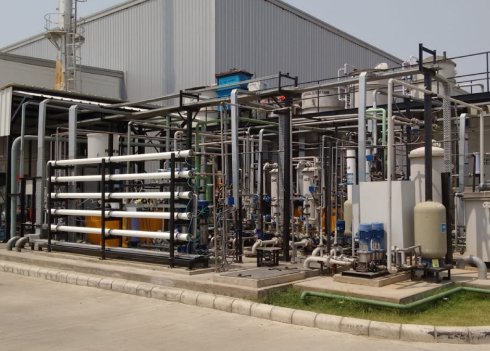
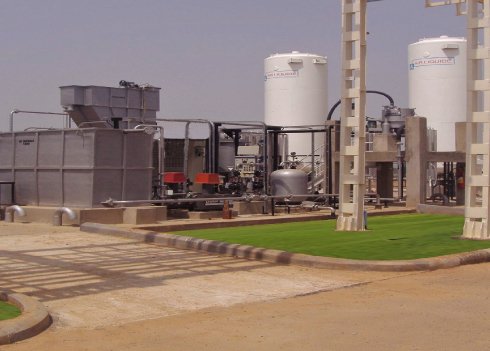
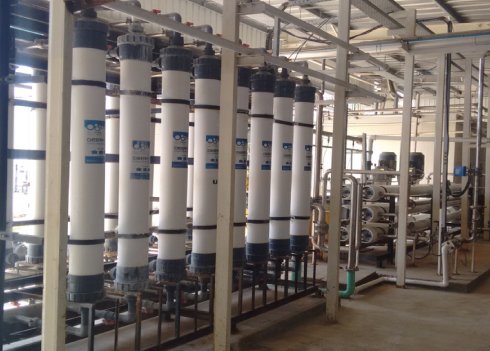
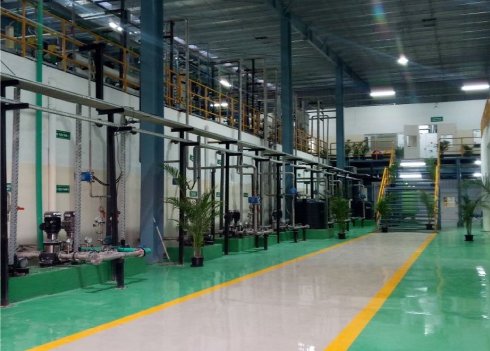
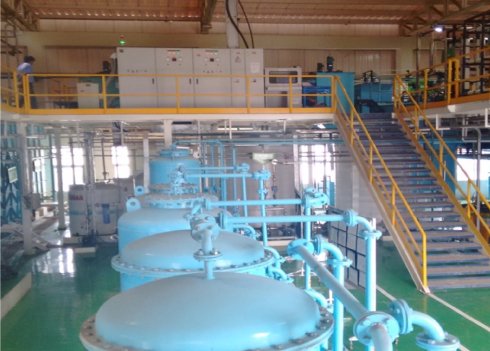
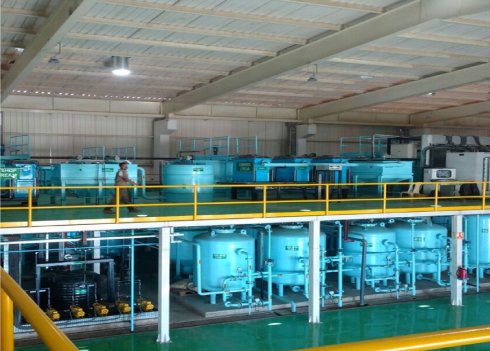
Our Effluent Treatment Projects
Planning a Effluent Treatment Plant project?
Get a feasibility study and techno-commercial proposal from our engineering team.